
Written by an International Board Certified Lactation Consultant
Have you ever heard that breastfeeding hurts and that pain during nursing is normal? Well, painful breastfeeding is common mamas but it doesn’t have to be. It is common because we often don’t have lactation support, we think it will come instinctively and natural but it doesn’t, and then we think it wasn’t meant for us. But breastfeeding is actually painless, we only need to learn how to do it.
Here are some tips that I’ve used in my practice as a Yoga Mamas Lactation Consultant, for you to have a happy and painless breastfeeding journey!
1. Try the baby-led latch
Sometimes we want everything to be perfect and we try too hard. Baby-led latching is many times the solution for a painful latch. Letting our babies take the lead and follow their instincts to latch-on is often the easiest way to achieve a good latch, especially the first hour after birth.
Lean back and place the baby skin to skin on top of you, tummy to tummy. Allow your baby to find your breast and latch. When your baby’s chin feels your breast, the mouth will open wide and latch. If you feel any discomfort, try again.
2. Try the sandwich hold
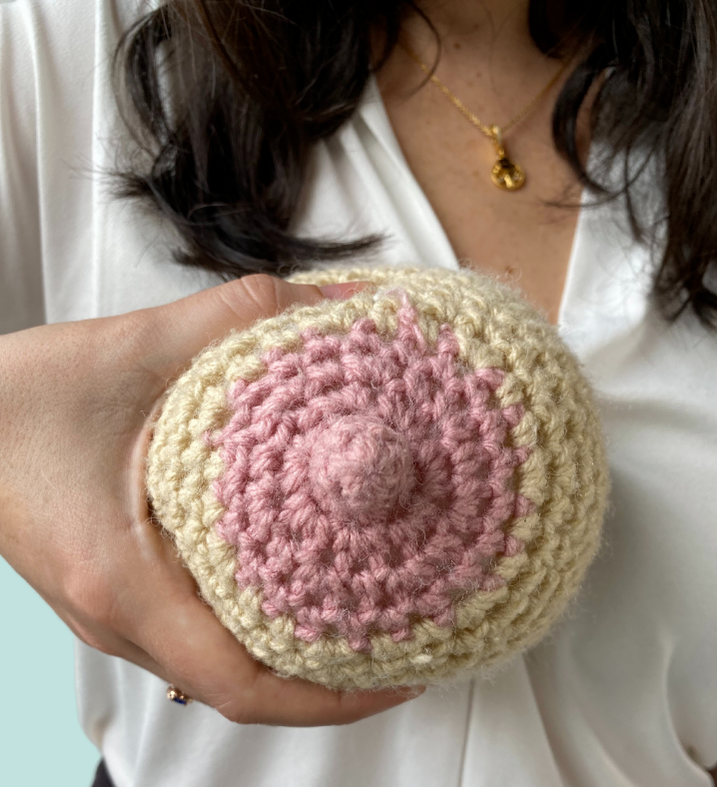
Gently hold your breast in a C shape as if it were a “sandwich”. Keep your hand 1-2 inches apart from the nipple so that you give your baby room to latch. This will help your baby achieve a deeper latch.

3. Fix a poor latch
If you’re experiencing pain when breastfeeding, the most common cause is a poor latch. Try fixing it by holding your baby tummy to tummy and skin to skin on top of you. Your baby’s nose should be aligned with your nipple and you should wait for a wide open mouth to bring your baby to your breast (not your breast to your baby). Try different positions and if nothing works, seek help. A poor latch is not always the cause for pain when breastfeeding. You may need to get your baby’s mouth assessed by a Lactation Consultant, Chiropractor or Paediatric Dentist to see if there’s a tongue-tie or anything else causing breastfeeding difficulties.
4. Do some hand expression if you’re engorged
Engorgement is common in the first few days. Sometimes a latch can be shallow if your breasts are too engorged for your tiny newborn’s mouth to latch on. You may use a breast pump prior to feedings to get the milk flowing and shape the nipple, then feed the baby. You can also do some hand expression as well, without the need of a breast pump. You only need to express enough milk for your breasts to be softer, avoid emptying your breasts since this could lead to oversupply in these first weeks.

5. Speak to a Lactation Consultant
Still need help? Call an LC!
If you feel something’s not going well, if your baby refuses to latch-on or is not gaining weight, if you have sore nipples or are engorged, look for a Lactation Consultant (LC). They can watch a feeding and do a physical assessment of your breasts and baby’s mouth to identify the problem and help you fix it, you don’t have to go through this alone!